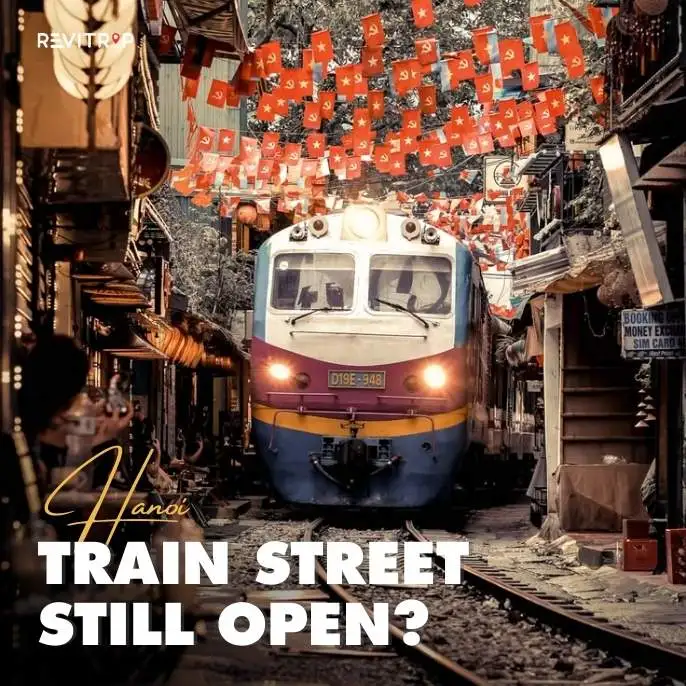
Though still open for visitors, Hanoi train street cafes have officially been shut down following a major crackdown by authorities in November 2025. The iconic railway coffee scene on Kham Thien Street, where tourists sat just centimeters from passing trains, has come to an end after years of safety concerns and repeated warnings.
This article covers the shutdown details, reasons behind the closure, safety incidents that led to the crackdown, and what this means for travelers planning to visit Hanoi in 2026.
Official Shutdown of Train Street Cafes
Authorities launched a major operation on November 25, 2025, to permanently clear Hanoi train street cafes from Kham Thien Street. Police from Van Mieu – Quoc Tu Giam ward coordinated with Hanoi Railway Station and the Railway Police Department to restore urban order and ensure railway safety.
The operation targeted spontaneous gatherings, photography activities, and illegal businesses operating dangerously close to train tracks. Officials inspected, warned, and penalized violating establishments while educating local residents about railway safety corridor regulations.
This represents the most comprehensive enforcement action after years of temporary closures. Authorities confirmed this crackdown aims to permanently end unsafe activities along the railway corridor rather than just temporary compliance.
Why Train Street Closed: Safety Concerns
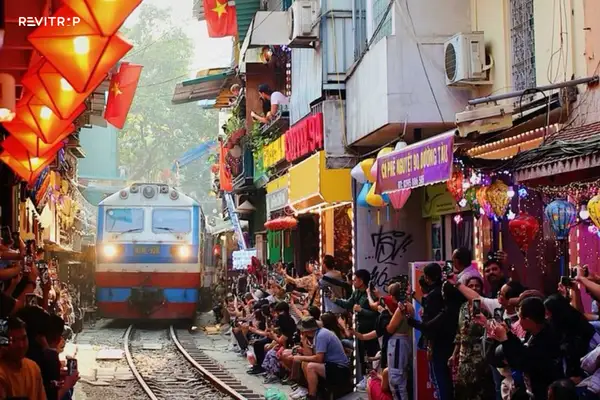
The closure of train street Hanoi coffee shops stems from serious safety risks that authorities could no longer ignore. Crowds gathering, taking photos, and conducting business directly beside active train tracks created extremely dangerous conditions for both visitors and train operations.
From July to November 2025, Railway Traffic Police Unit 4 coordinated with ward police to inspect and penalize eight violation cases in the Kham Thien train street area. Officials also convinced 36 households living along the route to sign commitments not to place tables, chairs, or conduct business within railway safety corridors.
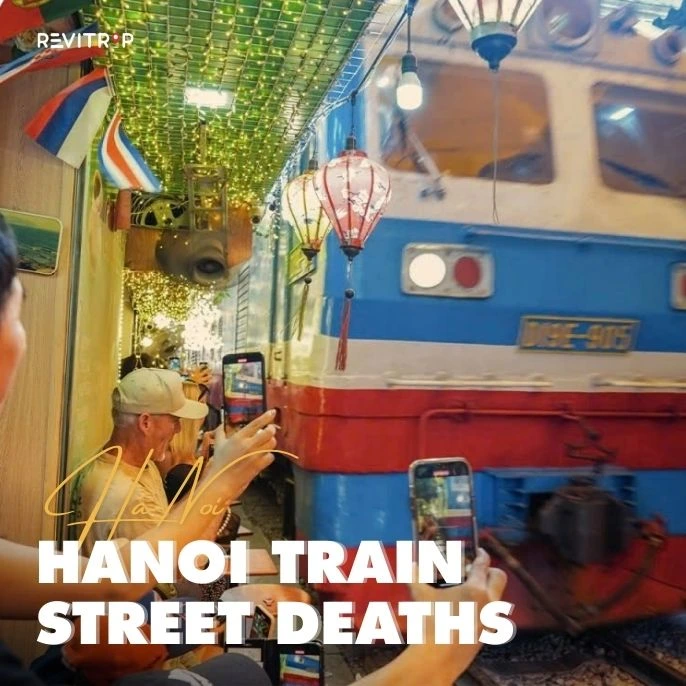
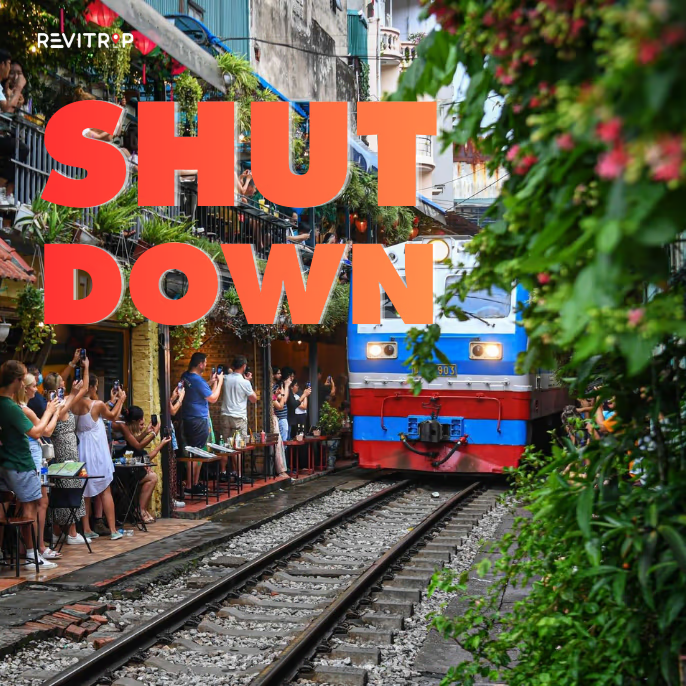
A viral incident in October 2025 showed a foreign tourist’s video of a train hitting tables and chairs at a Hanoi train street cafe, causing panic among seated customers. The video, lasting over 10 seconds, showed furniture flying as the train passed just centimeters away.
History of Repeated Violations
Hanoi train street cafes have faced closure orders since 2019, yet businesses repeatedly reopened after each enforcement operation. The area became famous as a check-in destination for domestic and international tourists experiencing coffee just centimeters from passing trains.
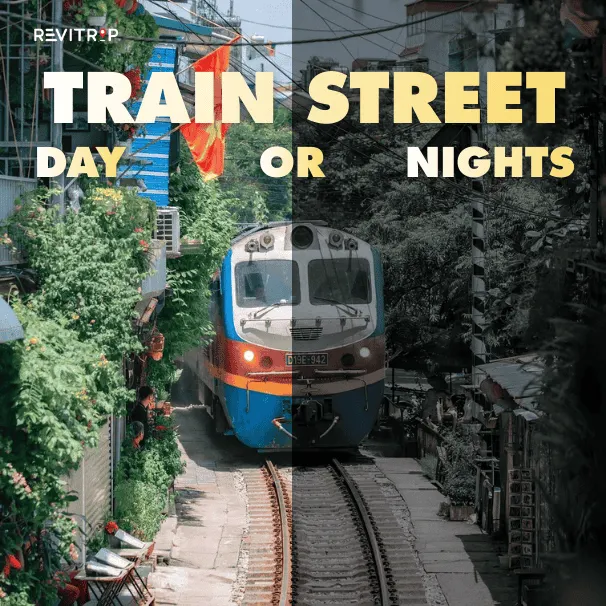
For years, the street attracted visitors seeking unique photo opportunities sitting beside active railway tracks. Cafes set up tables and chairs directly at track edges, with trains passing dangerously close to seated customers.
After each inspection period, the area quickly resumed operations despite official prohibitions. This pattern of temporary compliance followed by renewed violations prompted authorities to implement more decisive, permanent enforcement measures in late 2025.
March 2025 Tourism Warning
In March 2025, Hanoi Department of Tourism issued official warnings to tour operators not to organize trips bringing customers to train street Hanoi areas. The department emphasized accident prevention as the primary concern.
Tourism officials recognized the street’s appeal but stressed that tourism attraction cannot justify ignoring safety risks. The warning required travel agencies to remove train street visits from all tour packages and itineraries.
Despite this official warning, individual tourists and small groups continued visiting the area independently. This ongoing traffic prompted the November 2025 comprehensive crackdown eliminating the attraction entirely.
Current Enforcement Measures
Railway Traffic Police now conduct regular and surprise inspections to prevent violations from recurring. Officers patrol constantly to ensure no businesses set up tables, chairs, or conduct operations within railway safety corridors.
Authorities warned tour operators and travel agencies to guide tourists in complying with railway safety regulations. Officials specifically prohibited allowing customers to take photos or stand on tracks, which poses extreme safety risks.
“Railway safety corridor violations remain widespread, especially coffee shops operating near train tracks. Traffic police and ward police continuously patrol, control, and penalize both scheduled and surprise inspections,” an official representative stated.
The enforcement teams plan to maintain frequent inspections preventing violation recurrence and ensuring safety for residents and train operations on the Hanoi-Giap Bat route.
Impact on Tourism in Hanoi
The permanent closure of Hanoi train street cafes removes one of the city’s most photographed and controversial tourist attractions. For years, the location appeared in countless travel guides, social media posts, and tourist recommendations as a unique Hanoi experience.
International visitors specifically sought out the train street for its distinctive atmosphere and photo opportunities. The closure means travelers planning Hanoi visits in 2026 and beyond must remove this destination from their itineraries entirely.
Tourism officials acknowledge the street’s appeal but maintain that visitor safety must take priority. The city encourages tourists to explore Hanoi’s many other safe, legal attractions including the Old Quarter, temples, museums, and cultural sites.
Travel agencies and tour operators have been required to update all marketing materials, websites, and tour packages removing references to train street visits. Violations could result in penalties for tourism businesses.
What Travelers Should Know for 2026
Travelers planning visits to Hanoi in 2026 should be aware that train street Hanoi is permanently closed to tourists. Attempting to visit the area may result in warnings or penalties from police conducting regular patrols.
The railway corridor on Kham Thien Street now maintains strict enforcement with barriers preventing access. No cafes, restaurants, or businesses operate within the safety zone, and photography near active tracks is prohibited.
Visitors should respect these regulations and explore Hanoi’s numerous other attractions safely. The city offers rich cultural experiences, historical sites, delicious cuisine, and vibrant street life without risking safety at closed train street locations.
Tour operators and travel guides have removed train street from recommended itineraries. Travelers relying on older guidebooks or outdated online information should verify current regulations before planning visits to this area.
Alternative Hanoi Experiences
With Hanoi train street cafes permanently closed, travelers can explore many safe, equally interesting alternatives throughout the city. The Old Quarter offers authentic street food experiences, traditional coffee shops, and cultural immersion without safety risks.
Hanoi’s numerous lakes, pagodas, and temples provide excellent photography opportunities and cultural experiences. The Temple of Literature, Hoan Kiem Lake, and West Lake areas offer beautiful settings for memorable photos and cultural exploration.
Coffee culture thrives throughout Hanoi in countless safe, legal establishments. Visitors can enjoy traditional Vietnamese egg coffee, drip coffee, and modern cafe experiences in comfortable, secure environments throughout the city.
Local authorities encourage tourists to visit approved attractions where proper safety measures protect visitors. These alternatives provide authentic Hanoi experiences while respecting local regulations and ensuring everyone’s wellbeing.
Lessons for Responsible Tourism
The closure of train street Hanoi highlights important lessons about responsible tourism and safety priorities. Tourist attractions cannot operate at the expense of visitor safety or violate essential safety regulations, regardless of popularity.
Travelers should research destinations thoroughly and respect local laws and safety guidelines. Following official regulations protects both visitors and local communities from preventable accidents and legal consequences.
Social media popularity doesn’t justify dangerous behavior or illegal activities. Visitors should prioritize safe, legal experiences over risky photo opportunities that endanger themselves and others while violating local regulations.
Tourism businesses and travelers alike must balance authentic experiences with safety and legality. Hanoi’s decision to permanently close train street demonstrates commitment to visitor wellbeing over tourism revenue from unsafe attractions.
Future of the Kham Thien Railway Area
Authorities plan to maintain the Kham Thien railway corridor exclusively for its intended purpose—safe train operations. The area will remain clear of commercial activities and tourist gatherings to ensure railway safety standards.
Local residents have signed commitments not to conduct business or place furniture within safety corridors. Regular inspections will continue preventing violations from reestablishing in the area.
The permanent closure represents a firm stance on prioritizing safety over tourism revenue. City officials believe this decision, though difficult, protects both residents and visitors from preventable accidents on active railway lines.
Future development plans for the area focus on maintaining railway operations safely while directing tourism toward appropriate, legal attractions throughout Hanoi. The city remains committed to welcoming visitors while ensuring their safety.
Conclusion
The permanent shutdown of Hanoi train street cafes marks the end of an iconic but controversial tourist attraction that operated for years despite safety concerns. The November 2025 crackdown represents decisive action prioritizing visitor safety over tourism appeal.
Travelers planning Hanoi visits in 2026 and beyond should remove train street Hanoi from their itineraries and respect closure enforcement. The area now maintains strict regulations with regular police patrols preventing any railway corridor violations.
While this closure disappoints some visitors seeking unique photo opportunities, it demonstrates responsible tourism management prioritizing safety. Hanoi offers countless safe, legal attractions providing authentic Vietnamese experiences without endangering visitors or violating regulations. Explore the city’s rich culture, delicious cuisine, and beautiful sites through approved channels that protect everyone’s wellbeing while supporting sustainable tourism development.
More of us
- Transportation in Vietnam: Best Ways to Get Around in 2025
- Vietnam Currency Guide: Everything Tourists Need to Know
- Where is Vietnam: Complete Guide to the S-Shaped Country
Book your trip now with Klook!
FAQs
No, Hanoi train street cafes are permanently closed as of November 2025. Authorities shut down all coffee shops along Kham Thien railway corridor following a major safety crackdown. Police conduct regular patrols preventing any businesses from operating within railway safety zones. The iconic train street Hanoi attraction no longer exists, and attempting to visit may result in warnings or penalties.
However, the street is still available to visit regardless of laws.
Hanoi train street cafes closed due to serious safety violations and accident risks. Businesses operated dangerously close to active train tracks where trains passed just centimeters from seated customers. In October 2025, a viral video showed a train hitting tables and chairs, causing panic. Authorities penalized eight violations and convinced 36 households to stop operations. The March 2025 tourism warning and repeated violations since 2019 led to the permanent November 2025 shutdown prioritizing visitor safety over tourism appeal.
All Hanoi Train Street cafe booking options are now invalid as the entire area is permanently closed. Previous positive reviews and booking platforms no longer apply since November 2025 shutdown. Tour operators removed train street from all packages following March 2025 tourism department warnings. Travelers should ignore outdated guidebooks, old reviews, and booking sites still listing train street Hanoi cafes. Instead, explore safe alternatives like Old Quarter coffee shops, Temple of Literature, Hoan Kiem Lake, and authentic Hanoi cafes operating legally throughout the city.