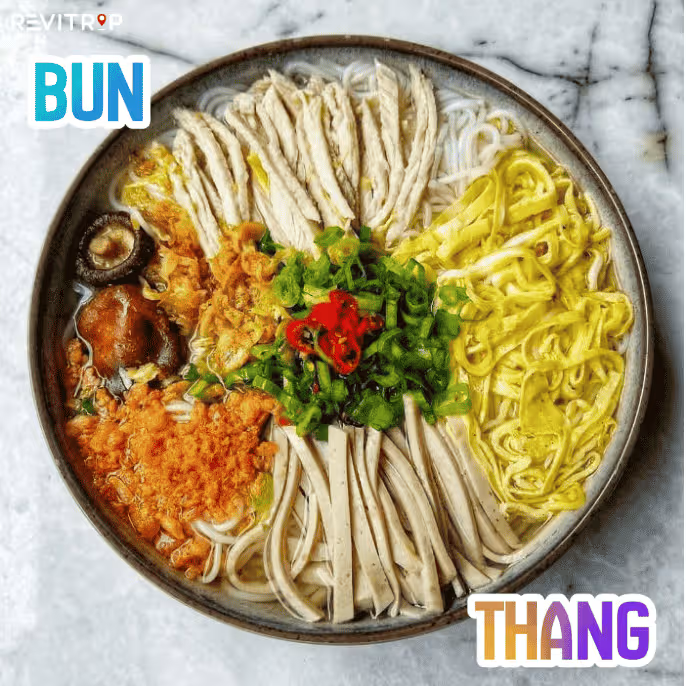
Beyond Hanoi’s famous pho, bun cha, and banh mi, bun thang is the dish to add to your list. It looks delicate, almost minimal-yet it’s quietly complex. Locals often describe it as a “careful” dish: light broth, finely prepared toppings, and a balance that feels very Hanoi.
So what exactly is bun thang, and why do people call it one of the capital’s most iconic specialties?
What Is Bun Thang Hanoi?
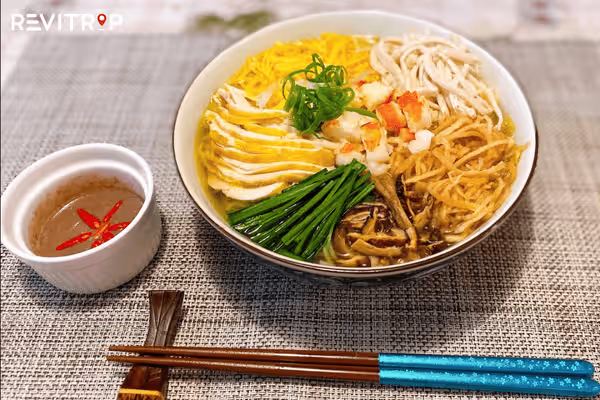
Bun thang is a traditional Hanoi noodle soup with rice vermicelli and a clear, fragrant broth. It’s topped with finely shredded chicken, sliced pork sausage, thin egg strips, fresh herbs, and other carefully prepared ingredients.
The word “thang” originally referred to a kind of herbal “mix” (like a medicinal recipe). That meaning fits bun thang well. It is a bowl made from many parts. Each part is prepared separately. Then, they are combined in a final, harmonious way.
If you’ve tried other Vietnamese noodle soups that are bold and punchy, bun thang will feel different. It doesn’t try to shock your taste buds. Instead, it’s clean, layered, and balanced—more “refined comfort” than “street-food fireworks.”
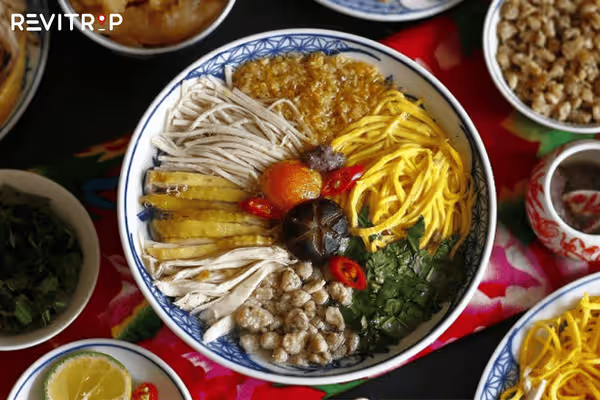
What Makes Bun Thang So Special?
1. The broth is clear, light, and deeply savory
The broth is the heart of bun thang. Cooks usually simmer chicken bones slowly to create a natural sweetness. Many places add dried shrimp, and sometimes dried squid, to give the broth a gentle seafood depth and a more rounded umami flavor.
A good bun thang broth should feel:
- clear and golden (not cloudy)
- light on the tongue (not oily or heavy)
- sweet-salty in a natural way (not sugary or overly seasoned)
This is one of the biggest differences between bun thang and pho. Pho broth is clear, but it is richer and more aromatic. It gets its flavor from spices and is made with beef or chicken in a unique way. Bun thang is “quieter,” but more layered once you focus on it.
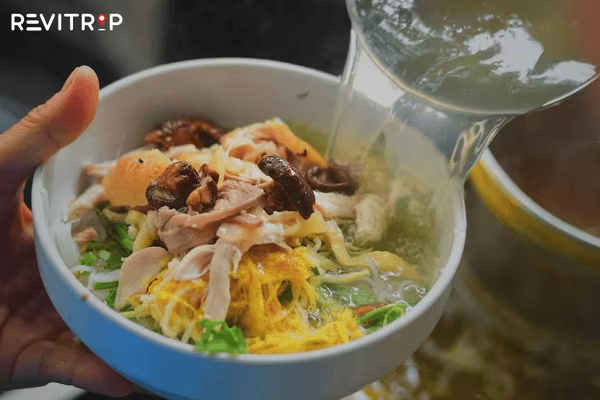
2. The toppings are finely prepared-almost like culinary “threads”
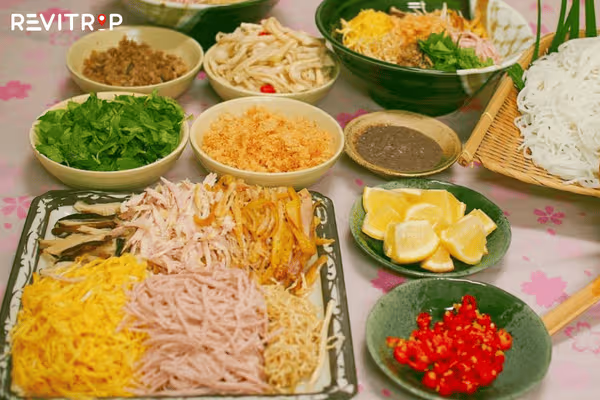
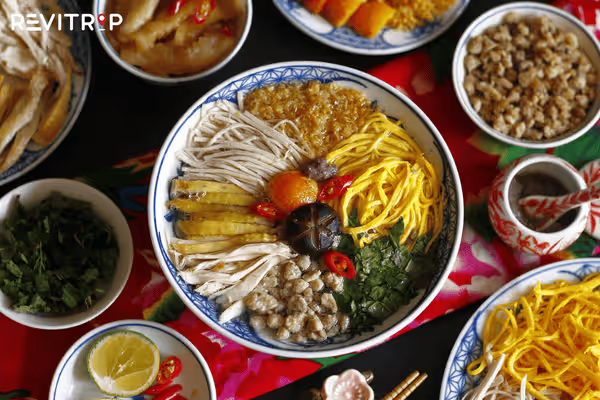
Bun thang is famous for the way the toppings are cut. Instead of big chunks, you’ll see ingredients sliced into thin strips and arranged neatly. A traditional bowl can have up to 20 different parts. Not all parts are used at once, but the goal is variety and detail.
Common toppings include:
- Shredded boiled chicken (soft, mild, comforting)
- Vietnamese pork sausage (cha lua) sliced thin (savory and springy)
- Fried egg cut into fine strips (adds richness and color)
- Dried shrimp (salty-sweet bite)
- Shiitake mushrooms (earthy aroma)
- Pickled radish or a light pickle (adds brightness)
- Fresh herbs like coriander and Vietnamese herbs (fresh finish)
You’ll often notice the bowl looks “organized”—almost like it was designed. That’s part of the appeal. Bun thang is known as a dish where presentation matters as much as flavor.
3. It’s often served with shrimp paste, but you control it
Many traditional bun thang shops offer fermented shrimp paste (mam tom) on the side.
For foreigners, here’s the simplest way to understand it:
- It has a strong smell
- It tastes very salty and funky
- It can add a powerful depth to the broth—but only if you use it carefully
If you’re new to mam tom, start with this approach:
- Add a tiny amount (like the tip of a spoon)
- Stir well
- Taste again before adding more
It’s completely normal to skip it. A good bowl of bun thang should still taste great without shrimp paste.
What Does Bun Thang Taste Like?
Bun thang is all about layered flavor and texture, not spice.
Here’s what most people notice in order:
- First sip: clean chicken sweetness
- Next: umami depth from dried shrimp (and sometimes squid)
- Then: savory toppings (cha lua + chicken)
- Finally: freshness from herbs and the light pickle
Texture-wise, it’s also interesting:
- soft noodles
- tender chicken
- springy sausage
- silky egg strips
- crisp herbs on top
Many travelers describe bun thang as “simple but sophisticated.” That’s exactly right. It’s subtle, but it’s not boring—especially when everything in the bowl is done well.
The Cultural Story Behind Bun Thang
Traditionally, bun thang is linked with Tet (Vietnamese Lunar New Year). After holiday meals, families might have leftover ingredients like chicken, pork sausage, and eggs. Instead of wasting them, they turned those ingredients into a special soup-carefully sliced, neatly arranged, and served in a clear broth.
Over time, bun thang became a dish enjoyed all year in Hanoi. Today, it feels less like “Vietnamese” food and more like Hanoi food. It is calm, precise, and perfectly balanced.
When Is the Best Time to Eat Bun Thang?
Most people eat bun thang for breakfast or lunch, especially in Hanoi.
Why? Because:
- the broth is light, so it won’t make you sleepy
- it’s comforting without being heavy
- it pairs well with cool morning air (especially in Hanoi’s winter)
You can still find it later in the day, but morning and midday are the classic times.
How to Eat Bun Thang Like a Local
If you want the full experience, try this order:
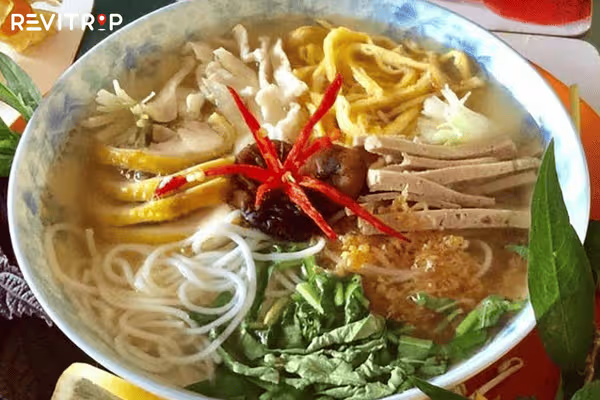
- Taste the broth first (before adding anything)
- Add a little lime if it’s served on the table
- Add fresh chili only if you want heat (bun thang is naturally mild)
- If offered, test mam tom very slowly (optional)
The goal isn’t to “hack” the bowl. It’s more about appreciating the balance.
Where to Eat Bun Thang in Hanoi
If you’re looking for bun thang Hanoi in the Old Quarter and central areas, these names are often mentioned:
- Bun Thang Ba Duc – Cau Go Street
- Bun Thang Hang Hom – Hoan Kiem District
- Bun Thang 48 Cau Go – Popular in the Old Quarter
These spots are known for keeping the classic Hanoi style.
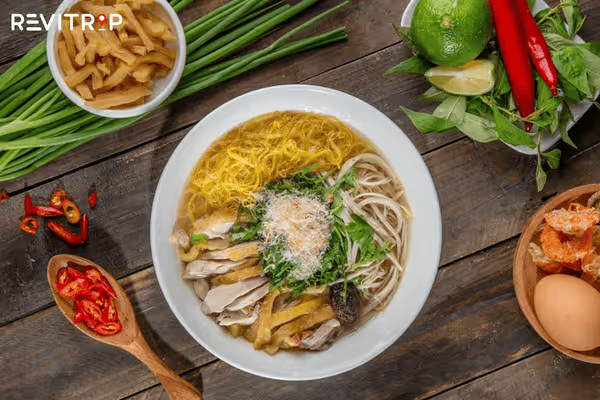
Bun thang Hanoi is more than a noodle soup. It’s a bowl that reflects Hanoi’s food culture: careful preparation, subtle flavor, and balance. If you want to understand the city through its cuisine, bun thang is one of the best places to start.
FAQ
Not really. Both are noodle soups. However, bun thang uses thinner vermicelli noodles. It has more varied toppings and a lighter broth with a different flavor.
No. Bun thang is mild and delicate. You can add chili if you want, but it’s not meant to be spicy.
Yes. The flavor is gentle and easy to enjoy. If you’re unsure, simply skip the shrimp paste and enjoy the broth as-is.